2015 Nepal Earthquake Reflection and Future Preparedness
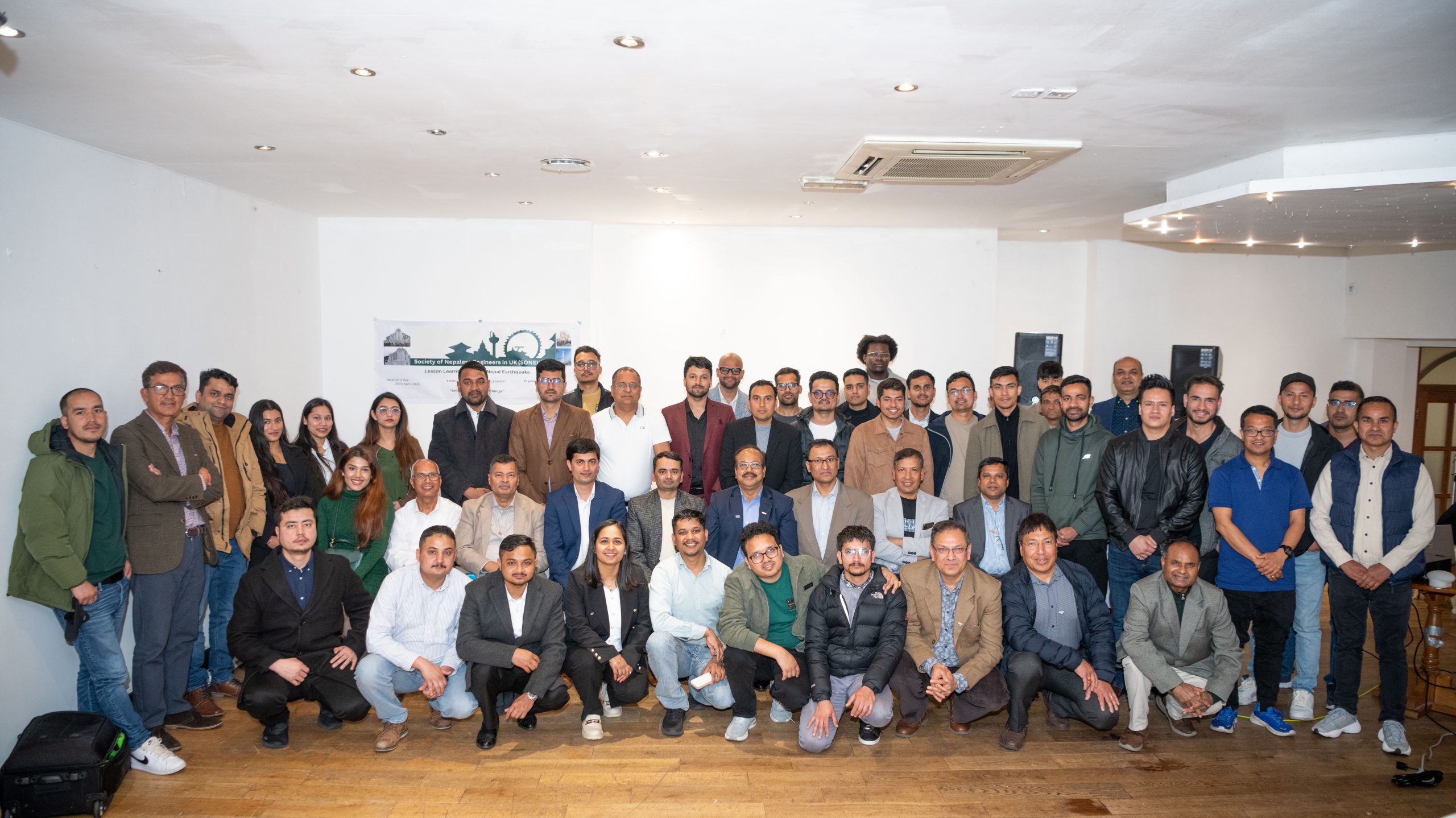
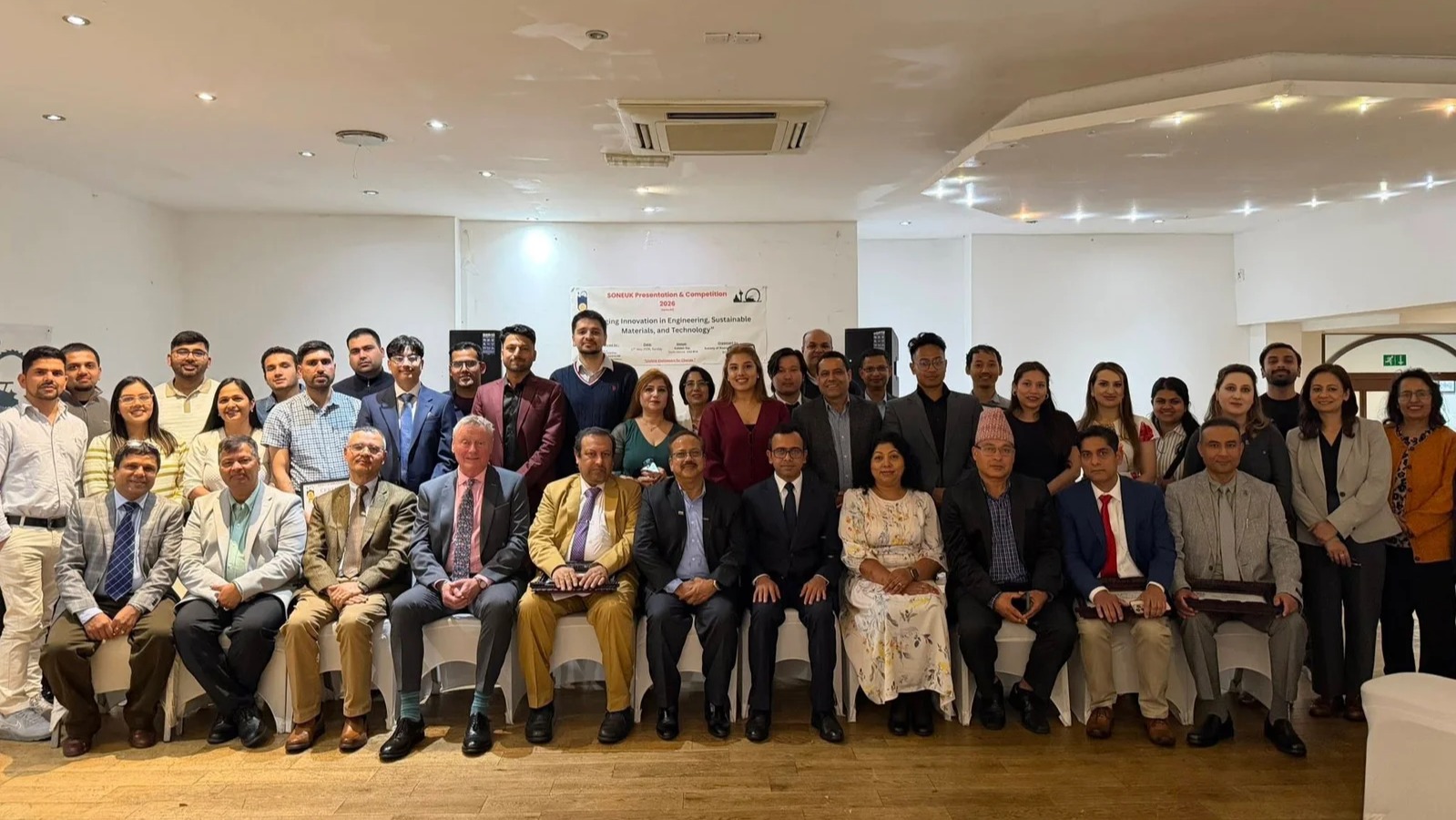
On May 26, 2025, the Society of Nepalese Engineers in the UK (SONEUK) convened a high-level panel discussion in South London to reflect on the legacy of the 2015 Nepal earthquake. Attended by over 55 professional engineers and development enthusiasts, the 2.5-hour session focused on moving from the memory of devastation toward a future of seismic resilience.
Reflecting on a National Tragedy
Chairperson Er. Subodh Timilsina opened the event by honoring the nearly 9,000 lives lost in the 2015 disaster. He emphasized that the primary goal of the session was to assess Nepal’s current readiness and identify critical actions to minimize casualties should a future earthquake strike a different epicenter.
Expert Perspectives on Recovery and Risk
Moderated by Chartered Structural Engineer and former SONEUK Chair Er. Ghanshyam Paudyal, the panel featured three distinct technical perspectives:
-
Structural Resilience: Dr. Rishi Parajuli (Kingston University London) provided a comparative analysis of Nepal's pre- and post-2015 landscapes, focusing on the evolution of structural engineering practices since the Gorkha quake.
-
Geotechnical Insights: Dr. Binod Lal Amatya examined the Kathmandu Valley from a ground engineering perspective, discussing soil behavior and risk assessment strategies essential for urban safety.
-
Institutional Infrastructure: Dr. Rohit Adhikari (University of Hertfordshire) specifically addressed the seismic safety of residential and school buildings, highlighting vulnerabilities that remain in public and private housing.
Moving Toward Resolution
The subsequent Q&A session allowed for a deep dive into the potential threats of future seismic events. Er. Ghanshyam Paudyal summarized the technical findings, which were formally handed over to the SONEUK leadership.
Key Outcomes:
-
Actionable Findings: The resolutions drawn from the discussion are slated for formal review and potential presentation to relevant authorities in Nepal.
-
Preparedness Advocacy: The session underscored that while disasters cannot be prevented, rigorous engineering standards and ground assessment are the most effective tools for saving lives.
Chairperson Timilsina concluded by thanking the presenters and attendees for their commitment to using their professional expertise to support the safety and long-term development of their home country.
More Past Events